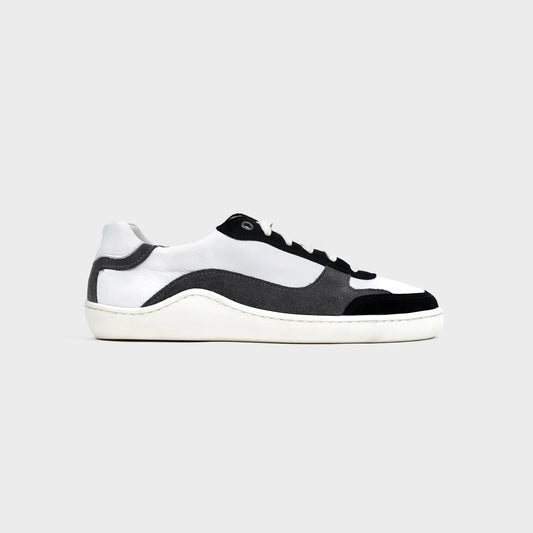

Best shoes if you stand all day
Standing all day demands a different kind of shoe. Discover what actually matters when choosing, and why cushioning isn't always the right answer.
Updated: 06 October, 2026

If you spend eight, ten, or more hours a day on your feet, whether in a shop, a kitchen, a hospital, a classroom, or on a production line, you already know that not every shoe holds up to that kind of demand the same way. What works for a thirty-minute walk can fall apart completely by hour eight.
Here's what actually matters when choosing, and why the obvious answer, "more cushioning," isn't always the right one.
Why cushioning doesn't solve everything
The instinctive reaction to standing all day is to look for the shoe with the most padding possible. It makes sense at first glance, more material absorbing impact seems to equal less fatigue. In practice, it's more complicated than that.
Excessive cushioning reduces the information reaching the foot about the ground, which can lead the body to compensate in other ways throughout the day, sometimes shifting fatigue to different areas like the knees or lower back rather than eliminating it. On top of that, heavy cushioning is often paired with an artificially elevated heel, which over full days of wear changes how weight is distributed through the leg.
This doesn't mean cushioning is always bad, for some activities and some feet, it can help. It means it isn't the only variable to consider, and on its own it doesn't guarantee comfort by the end of a long day.
What actually matters for long hours on your feet
-
Room for the toes. After several hours, a foot that's constantly compressed tends to swell slightly and feel more uncomfortable than a foot with room to adjust naturally throughout the day.
-
Shoe weight. A lighter shoe means less accumulated effort with every step, which is far more noticeable over a ten-hour day than on a short walk.
-
Sole flexibility. A sole that follows the foot's natural movement, rather than forcing it into a single rigid support pattern, tends to distribute fatigue better throughout the day.
-
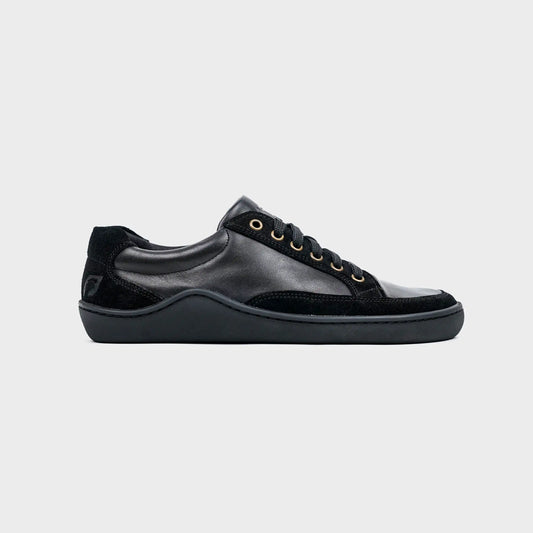
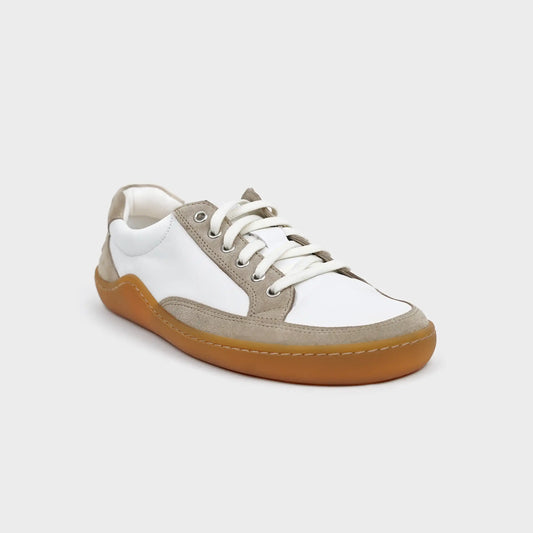
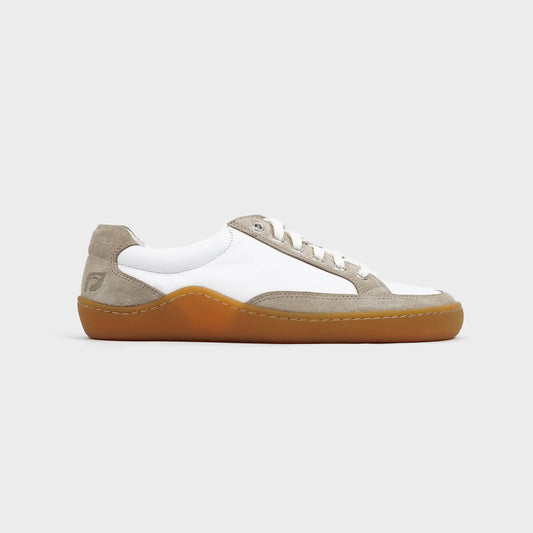
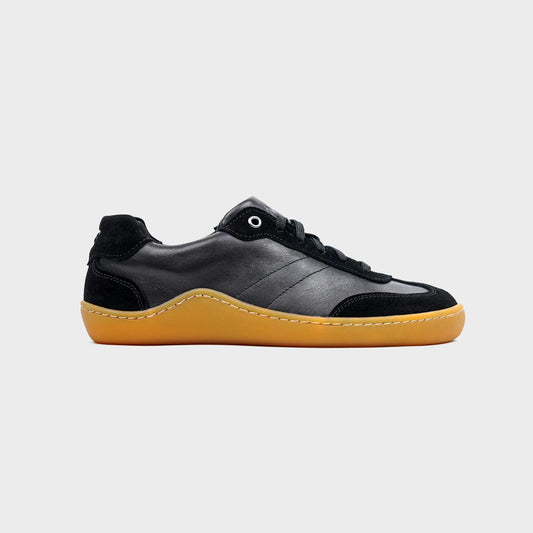
Stability without rigidity. You don't need a rigid shoe to get stability. A wide base, an anatomical toe box, and good support for the hallux can offer a stable foundation without sacrificing the foot's natural mobility.
Where guidance matters more than freedom alone
Standing for many hours is exactly the kind of situation where the difference between a generic barefoot shoe and one with a podopostural insole becomes most noticeable. A shoe that only frees the foot leaves it to work alone, hour after hour. A shoe that also guides the hallux in its role as the step's reference point gives the foot an active point of support throughout that entire time, instead of leaving everything to accumulated muscle fatigue.
What if I already feel pain by the end of the day?
Mild muscle tiredness by the end of a long day on your feet is common, even with good footwear. Persistent pain, pain that doesn't improve with rest, or pain that progressively worsens over weeks, is different, and worth investigating with a professional rather than assuming it's just a footwear issue. If the pain is specifically in the heel, it may be worth understanding the relationship between barefoot shoes and plantar fasciitis before deciding what to do next.
If you're considering switching footwear
If you've never worn barefoot shoes before, it's worth making the transition gradually, starting outside work hours rather than breaking in a new shoe on a ten-hour shift. A 4mm micro-drop tends to be a more comfortable entry point for anyone coming from heavily supported conventional footwear, precisely because it doesn't demand as radical an adjustment all at once.
Frequently asked questions about the best shoes if you stand all day
Is more cushioning always better for standing all day?
Not necessarily. Excessive cushioning can reduce the information the foot receives from the ground and lead to compensation elsewhere in the body. Factors like room for the toes, weight, and sole flexibility matter just as much, if not more.
Are barefoot shoes safe to wear for a full work shift?
For most people without specific conditions, yes, as long as there's been prior gradual adaptation. Breaking in barefoot shoes directly on a long shift isn't recommended.
What kind of work benefits most from barefoot shoes?
Any context involving many hours on your feet or constant movement, like retail, hospitality, healthcare, or education, tends to benefit from a lightweight, flexible shoe without artificial heel elevation, provided the transition is done properly.
If I already have foot pain at work, should I switch shoes right away?
It's worth first understanding the cause of the pain, especially if it's persistent or localised, before assuming the solution is simply switching shoes. Footwear changes during a period of active pain should be approached with more caution.
Discover the Bareo Evolved line → Explore the collection