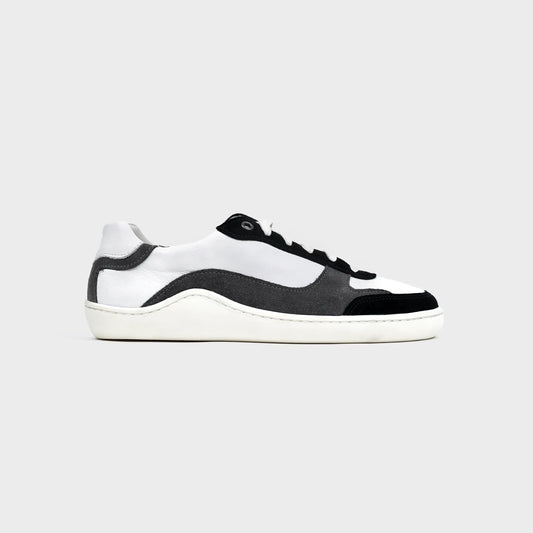

Barefoot shoes for nurses
Twelve-hour shifts, hospital floors and strict safety rules. Find out what to consider before wearing barefoot shoes in nursing, and how to make the switch without breaking them in on a full shift.
Updated: 27 October, 2026

Short answer: barefoot shoes can work well in nursing, as long as they first meet your institution's safety requirements (closed-toe, slip-resistant sole and, in some departments, fluid resistance) and you make the transition gradually, outside your shifts. A wide toe box, a flexible sole with good grip, low weight and a podopostural insole that guides the hallux are the four things to look for.
Few professions ask as much of your feet as nursing. Twelve hours standing, constant movement between rooms and corridors, urgent moments when you need to change direction quickly and, on top of all that, safety and hygiene rules that aren't negotiable. This guide explains what to consider before bringing barefoot shoes into the hospital, and how to make the switch without breaking them in at the worst possible moment.
What are the specific demands of nursing footwear?
- Very long shifts, with few breaks. Twelve hours on your feet, with frequent movement and little sitting time, is one of the most demanding loads a shoe can be asked to handle. It's during these shifts that proprioception, the information the foot receives from the ground with every step, helps the body conserve effort, adjusting to movement without forcing compensation elsewhere.
- Hard, sometimes slippery surfaces. Hospital flooring is designed for hygiene, not comfort, and exposure to liquids makes grip even more important than in other settings.
- Need for quick movement. Unlike other jobs with long hours on your feet, nursing sometimes requires rapid movement in urgent situations. Good support for the hallux, the big toe that acts as the guide of the step, helps precisely in these quick changes of direction.
- Safety and hygiene requirements. Many institutions require closed-toe footwear, certified slip-resistant soles and sometimes fluid resistance. These requirements vary by institution and department, and always take priority over personal comfort preferences.
What to look for in barefoot shoes for hospital shifts
Assuming the model meets your institution's requirements, the comfort principles are the same as in any setting involving long hours on your feet:
- Room for the toes: a wide toe box lets the toes spread naturally and reduces the pressure that builds up by the end of a shift.
- Low weight: over thousands of steps per shift, every gram counts.
- A flexible sole with good grip: flexibility so the foot can work, grip for smooth or wet floors.
- Podopostural insole: a podopostural insole guides the hallux instead of leaving the foot without any reference point for twelve hours.
- Low drop, but not necessarily zero: for anyone coming from conventional footwear, a 4mm podopostural drop tends to be a more comfortable starting point than absolute zero.
An honest note about certifications
Not every barefoot shoe carries the slip-resistant or fluid-resistant certifications some hospital departments require. Before changing your work footwear, confirm with your institution which requirements apply to your role and check whether the specific model meets them, rather than assuming any barefoot shoe automatically qualifies.
How to transition with rotating shifts
Twelve-hour shifts, often rotating between day and night, make gradual adaptation even more important. Breaking in new shoes directly during a long shift tends to be uncomfortable exactly when you can least afford it. A sensible sequence:
- Start outside work: wear the new shoes at home and on short outings on your days off.
- Increase wear time gradually: add an hour or two at a time, depending on how your feet and legs respond.
- Only then take them to the hospital: ideally on a shorter or quieter shift, with your usual pair at hand.
- Respect the rhythm of rotating shifts: adaptation may take longer than in other professions, and that's normal.
During this period, the podopostural insole helps guide the foot while muscles and tendons readjust. To avoid the most common slip-ups, see the 13 mistakes when switching to barefoot shoes.
If you already feel pain by the end of a shift
Some tiredness in the feet and legs after twelve hours is common, even with good footwear. If the pain is persistent, concentrated in the heel, or gets worse over weeks, it's worth finding out whether it might be related to plantar fasciitis and speaking to a health professional. There are also situations where barefoot isn't the best choice, which we cover in who shouldn't wear barefoot shoes.
Frequently asked questions about barefoot shoes for nurses
Do barefoot shoes meet hospital safety requirements?
It depends on the model and the institution. Not every barefoot shoe has slip-resistant or fluid-resistant certification. Always confirm your institution's requirements before changing your work footwear.
Is it safe to wear barefoot shoes for a twelve-hour shift?
For those who have already adapted gradually, and provided the footwear meets workplace safety requirements, they can be comfortable for long shifts, especially with a podopostural insole supporting the hallux. Breaking in new shoes directly during a full shift isn't recommended.
How do I transition with rotating shifts?
The principle is the same as any adaptation: start outside work hours, with short wear time, and increase gradually. Rotating shifts may make the process slower, which is no cause for concern.
Should I ask my hospital about footwear requirements before buying?
Yes, that's the safest recommendation. Safety requirements vary by institution and department, and should always take priority over personal preferences.
Zero drop or podopostural drop for a full shift on your feet?
It depends on your starting point, but people coming from conventional footwear tend to find a 4mm podopostural drop more comfortable as a first step, given the hours on their feet from day one. We explain why in Beyond Zero Drop.
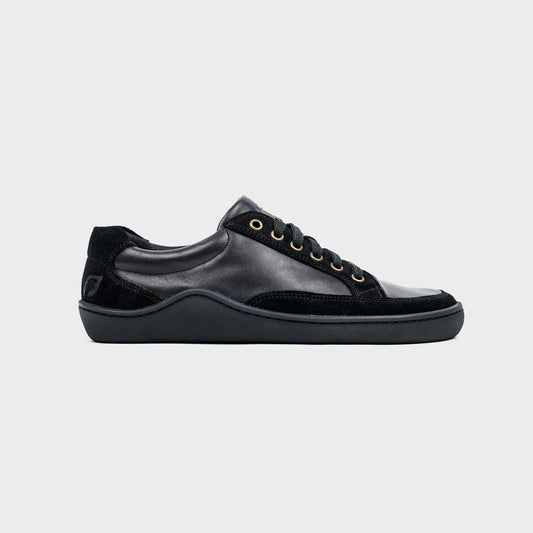
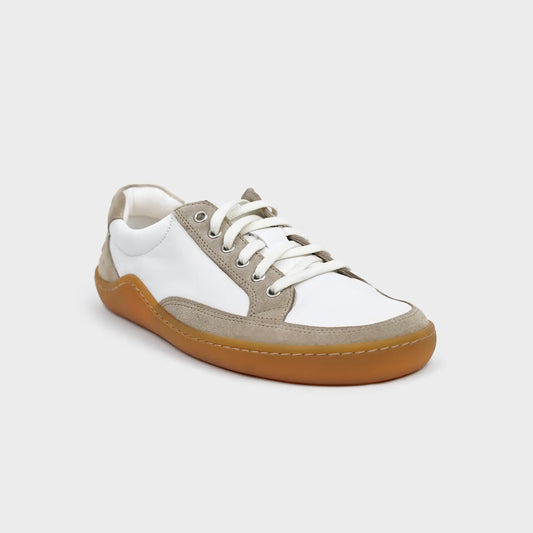
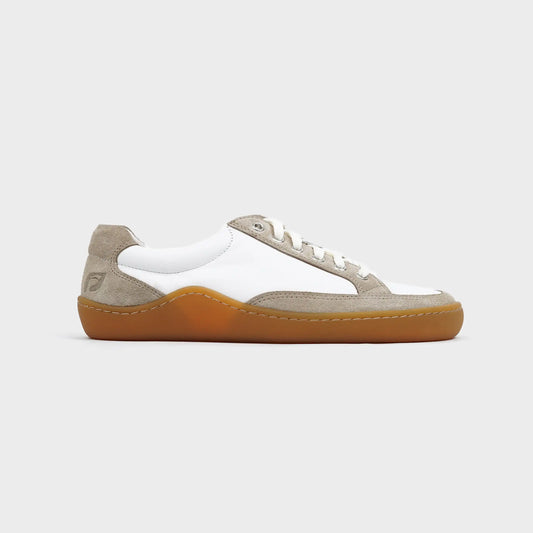
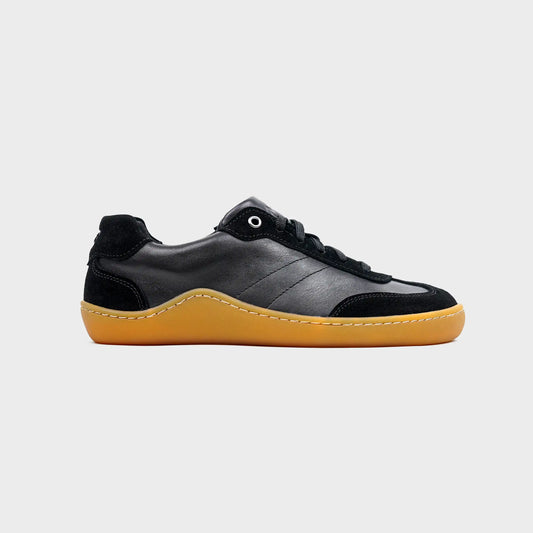
Discover the Bareo Evolved line
Barefoot shoes with an anatomical toe box, a 4mm podopostural drop and an insole that guides your step, designed for people who spend long hours on their feet. Explore the collection